

Brazil is confronting one of the most serious crises in its alcoholic beverage market, with authorities seizing large consignments of counterfeit and adulterated products across various regions — especially in the Southeast — many contaminated with methanol, a toxic substance capable of causing blindness, kidney failure and death even at small doses. So far, the toll includes hundreds of victims and dozens of deaths, underscoring that the problem transcends mere individual consumption to become a matter of public health, sanitary safety, and protection of fair competition.
A 2024 report by Euromonitor International indicates that Brazil’s illegal beverage market generates roughly BRL 55 billion annually, inflicting losses of BRL 28 billion in tax revenue and BRL 27 billion to the legitimate industry. It is estimated that almost two billion liters sold — about 12% of total production — are illicit. In the distilled beverages sector, 30% of the market is compromised by illicit products, and counterfeiting incidents increased by 25.8% in just one year. According to the São Paulo Federation of Hotels, Restaurants and Bars (FHORESP), nearly 36% of beverages sold in the country are adulterated, counterfeit or smuggled, undermining consumer confidence in legitimate establishments.
Although often used interchangeably, the unlawful practices in this sector have distinct legal definitions. Counterfeiting entails fraudulent reproduction of trademarks, labels, caps or bottles, thereby infringing intellectual property rights. Adulteration involves alteration of the original composition — through dilution, mixing or addition of harmful substances like methanol. Smuggling or illegal importation refers to goods entering the country without paying required taxes or failing sanitary compliance. Furthermore, irregular production and tax evasion distort the legal market and help finance organized crime. According to Euromonitor, 42% of irregularities stem from tax evasion, 36% from unregistered production, 12% from counterfeiting, and 8% from smuggling.
The impacts are multifaceted. For the industry, there are financial and reputational damages, including the risk that legitimate brands might be linked to health crises. For consumers, the danger is real: acquiring a beverage of uncertain origin can result in irreversible harm or death. For the State, the result is massive revenue loss and the strengthening of a parallel illicit market dominated by criminal networks. Federal District Civil Police chief Isabel Dávila Lopes Borges has warned that beverage counterfeiting has become a major income source for organized crime, spurred by high profit margins and lenient punishments.
Addressing this phenomenon requires a coordinated response. Authorities (Civil and Federal Police, Federal Revenue Service, Brazilian Health Regulatory Agency - Anvisa, Ministry of Agriculture) must intensify inspections, implement traceability mechanisms and tighten logistical oversight. Brand holders play a strategic role: in addition to pursuing legal remedies to block misuse of their trademarks, they can adopt authentication technologies (seals, QR codes, secure caps), conduct consumer awareness campaigns and engage in public-private partnerships with enforcement bodies, offering technical expertise and support to identify illicit batches. Such cooperation can expand institutional capacity and expedite investigations.
A significant institutional advance derives from the Technical Note issued by the National Consumer Secretariat - Senacon (Technical Note No. 6/2025/CNCP/SENACON/MJ), which sets guidelines for the National Consumer Protection System on addressing the risks of methanol adulteration. Among its recommendations are requirements that establishments procure beverages only from formal suppliers — with active CNPJ (Corporate Taxpayer’s Registry) and tax compliance — keep updated supplier records and supporting documentation, and ensure that each purchase is backed by a valid invoice, checking its 44-digit access key. The technical note further advises that, upon receipt of the goods, establishments cross-verify brand, volume, alcohol content and batch code against the corresponding invoice and labels, and reject bottles with tampered seals or poor-quality labels. In case of suspected adulteration, the establishment must immediately suspend sales, isolate the batch, preserve evidentiary items and alert competent authorities — health surveillance agency, Consumer Protection Agency – Procon and the police. Senacon recognizes establishments as partners in reporting flows and investigative cooperation.
On the legislative front, a proposed bill would classify beverage counterfeiting as a heinous crime, aiming to impose stricter penalties including an initial imprisonment under a closed regime, prohibition of bail, pardon or amnesty, as well as more severe criteria for sentence progression and parole. Although symbolically strong, experts caution that an overly vague law risks creating legal uncertainty by punishing minor infractions with severity reserved for cases of fatalities or grave harm. Thus, the creation of a qualified offense that reserves the heinous regime for cases involving an actual risk to health or death is considered the safer technical path.
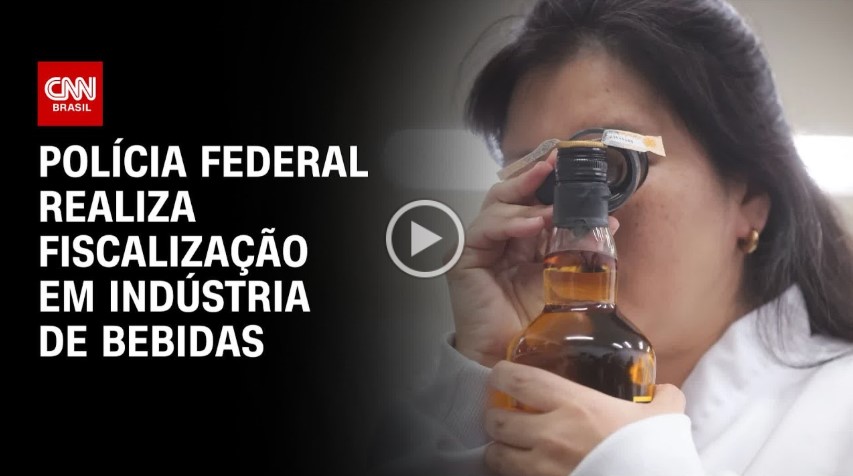
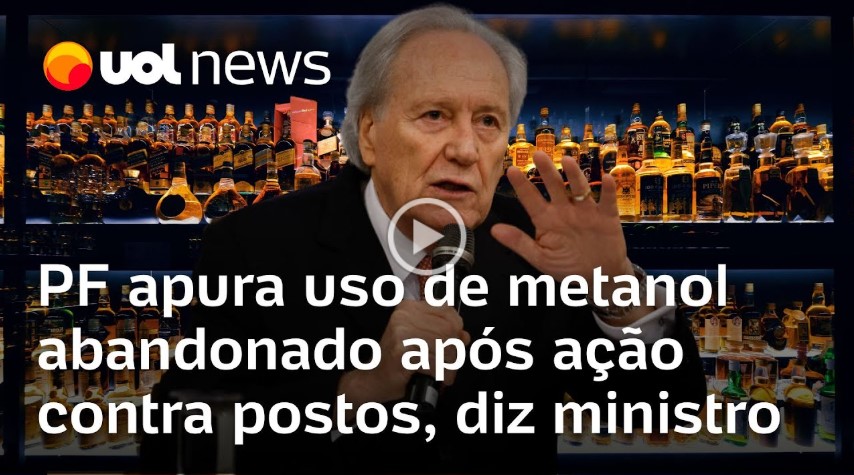
The country is already witnessing intensified enforcement operations, some documented on video: the Federal Police operation in beverage industries is available in “Metanol: PF faz operação de fiscalização em indústrias de bebidas” (https://www.youtube.com/watch?v=dC5BsndybTA). Another video shows investigation of abandoned methanol: “PF investiga se metanol abandonado após operação serviu para falsificar bebidas” (https://www.youtube.com/watch?v=8WUy-k4UZQU ). These records serve as transparency tools for public awareness and evidentiary support in investigations.
In conclusion, the methanol crisis lays bare the fragility of a system lacking integration among enforcement, regulation and consumer education. An effective response must combine strict punitive measures with traceability mechanisms, investigative intelligence and active engagement of private players. The participation of brand holders through public-private partnerships may prove decisive for early detection and accountability. Only through joint action by the State, industry and society can this lethal market be contained, protecting legitimate brands and, above all, preserving lives.